

Is Cannabis Used for Medical Purposes?
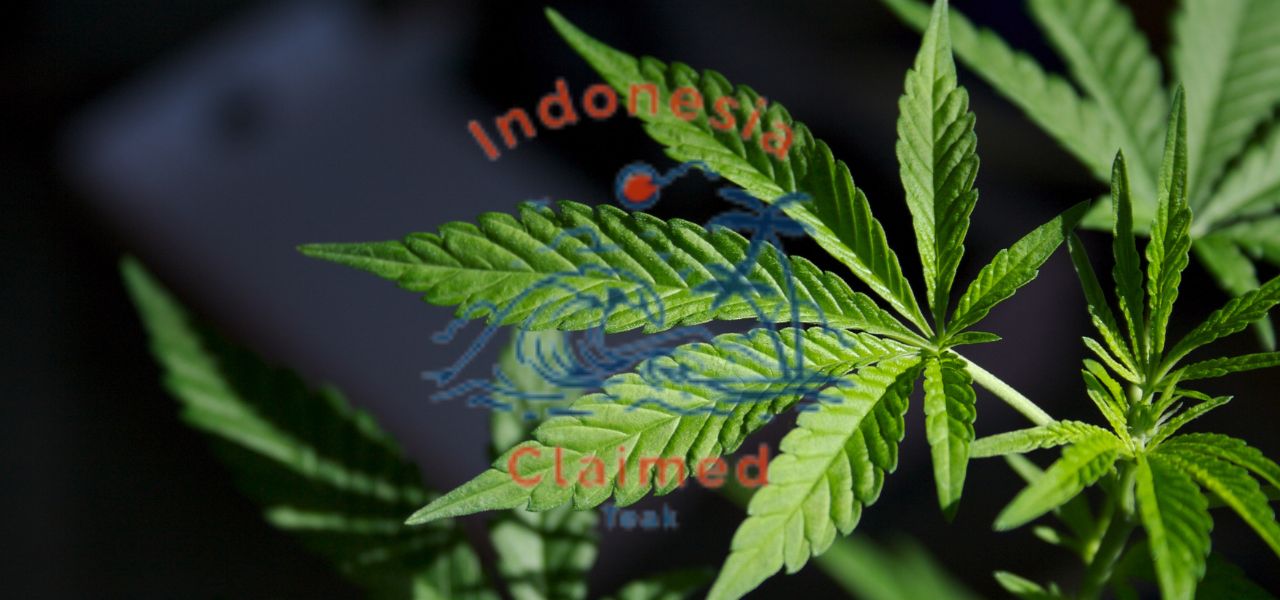
The question of the medical use of cannabis continues to spark global debate. Cannabis, commonly known as marijuana, has long been associated with recreational use. However, scientific research and medical practice in several countries show that cannabis can serve specific therapeutic purposes when used under strict medical supervision.
Understanding Medical Cannabis
Medical cannabis refers to the use of cannabis plants or their chemical components to treat certain health conditions. The most studied compounds are THC (tetrahydrocannabinol) and CBD (cannabidiol). THC affects the brain and may reduce pain and nausea, while CBD does not cause intoxication and is often used for its calming and anti-inflammatory effects.
Medical Conditions Linked to Cannabis Treatment
Researchers have identified several conditions where cannabis-based treatments may offer benefits. Doctors in some countries prescribe medical cannabis when conventional treatments fail to provide adequate relief.
Pain and Neurological Disorders
Chronic pain is one of the most common reasons for medical cannabis use. Patients with conditions such as multiple sclerosis or nerve-related pain may experience reduced discomfort. In addition, certain epilepsy cases, especially treatment-resistant forms, respond positively to CBD-based medications.
Scientific Evidence and Ongoing Research
While evidence supports some medical benefits, researchers continue to study cannabis extensively. Not all claims have strong scientific backing, and results vary depending on dosage, formulation, and patient condition.
What Studies Suggest
Clinical studies suggest that cannabis may help manage symptoms like nausea from chemotherapy, muscle spasms, and appetite loss. However, researchers emphasize controlled use and caution due to potential side effects, including dependency risks and cognitive impairment when misused.
Risks and Medical Supervision
Despite potential benefits, cannabis is not a universal remedy. Medical professionals stress the importance of proper diagnosis and monitoring.
Why Regulation Matters
Unregulated use can lead to health risks, especially for adolescents and individuals with mental health conditions. Medical frameworks ensure controlled dosage, quality standards, and patient safety. Without regulation, misuse becomes more likely and dangerous.
Legal Status and Medical Acceptance
The acceptance of medical cannabis varies worldwide. Some countries allow it strictly for medical purposes, while others continue to prohibit it entirely.
The Role of Policy and Ethics
Health authorities balance medical potential with public safety concerns. Ethical considerations focus on patient welfare, scientific evidence, and societal impact. As research advances, policies continue to evolve.
Conclusion
So, is cannabis truly used for medical purposes? The answer is yes, but with important limitations. The medical use of cannabis has shown benefits for specific conditions when supported by research and supervised by healthcare professionals. Ongoing studies and clear regulations remain essential to ensure safe and effective medical application.
Read More : Five Nights at Freddy’s 2 Brings Back the Horror