


Why Fasting Is Not Recommended for Certain Kidney Patients
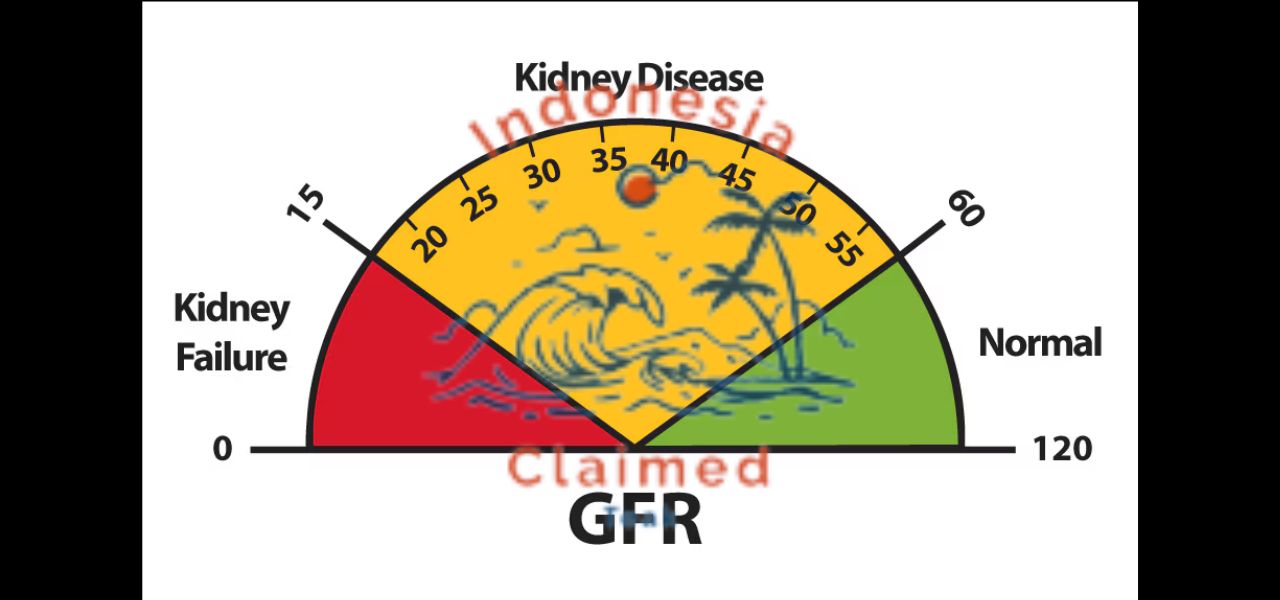
Medical experts advise against fasting for patients whose kidney function falls below 40. This level typically refers to a reduced glomerular filtration rate (GFR), which indicates impaired kidney performance. When kidney function declines to this range, the body struggles to maintain proper fluid and electrolyte balance.
Because fasting limits fluid intake for extended hours, it may increase the risk of dehydration. As a result, kidney function can deteriorate further.
Understanding Kidney Function Below 40
A kidney function value below 40 often indicates moderate to advanced chronic kidney disease (CKD). At this stage, the kidneys cannot efficiently filter waste and excess fluids from the blood.
Health Risks at This Level
Higher risk of fluid imbalance
Increased buildup of toxins in the body
Greater susceptibility to complications
Therefore, maintaining stable hydration and consistent medication schedules becomes crucial.
Risks of Fasting for Kidney Patients
Fasting may pose serious health risks for individuals with reduced kidney function. Extended periods without water can cause dehydration, which directly stresses the kidneys.
Potential Complications
Worsening kidney damage
Electrolyte imbalance
Sudden spikes in blood pressure
Additionally, patients who require regular medication may face difficulties maintaining proper dosing schedules during fasting.
Importance of Medical Consultation
Patients with kidney disease should always consult their healthcare provider before deciding to fast. Doctors can assess individual health conditions and determine whether fasting is safe.
In some cases, medical professionals may suggest alternative options. For example, adjustments in diet or religious exemptions may be considered to protect health.
Conclusion
Fasting is not recommended for patients with kidney function below 40 due to the risk of dehydration and worsening kidney damage. Maintaining proper hydration and medication adherence is essential at this stage of kidney disease.
For individuals with chronic kidney disease, prioritizing health and seeking medical advice remains the safest approach.
Read More : BLACKPINK Concert Tickets Became Gratification Evidence in Foreign Worker Case